Growing Native Wildflowers

Native wildflowers can bring color and beauty to your landscape during the summer months in Central Florida. Whether planted in a dedicated garden space, mixed into existing landscape beds, or incorporated into a naturalized area of the yard, native wildflowers are an excellent addition to a Florida-Friendly Landscape. But maintenance is a bit different for wildflowers, so learning as much as you can about the plants before you install them is recommended.
Florida’s native wildflowers are best grown in their native soil type and preferred climate conditions. Because they are adapted to Central Florida’s environment, many species require less supplemental irrigation and fertilizer once established than non-native ornamental plants. Native plants also provide valuable nectar, seeds, and habitat for butterflies, bees, hummingbirds, and other beneficial wildlife. That doesn’t mean all native plants are easy to grow wherever they are planted. Make sure you follow the Florida-Friendly Landscaping principle of Right Plant, Right Place when selecting native plants. Consider the amount of sunlight, soil type, and moisture available. Many native wildflowers thrive in full sun and well-drained soils, while others are adapted to wetter locations. A mixture of species that bloom at different times throughout the year will provide a continuous source of nectar and pollen for pollinators as well as a continual show of color in the landscape.
One of the greatest benefits of adding native wildflowers is their ability to attract pollinators. Bees, butterflies, moths, and other pollinating insects depend on flowering plants for food. Research has indicated that native wildflower plantings can increase pollinator activity and provide important habitat for beneficial insects that help manage pests naturally. Consider adding these plants in and around your vegetable plants as they tend to have pest issues.
There are several native wildflowers that perform well in Central Florida landscapes that we encourage you to try:
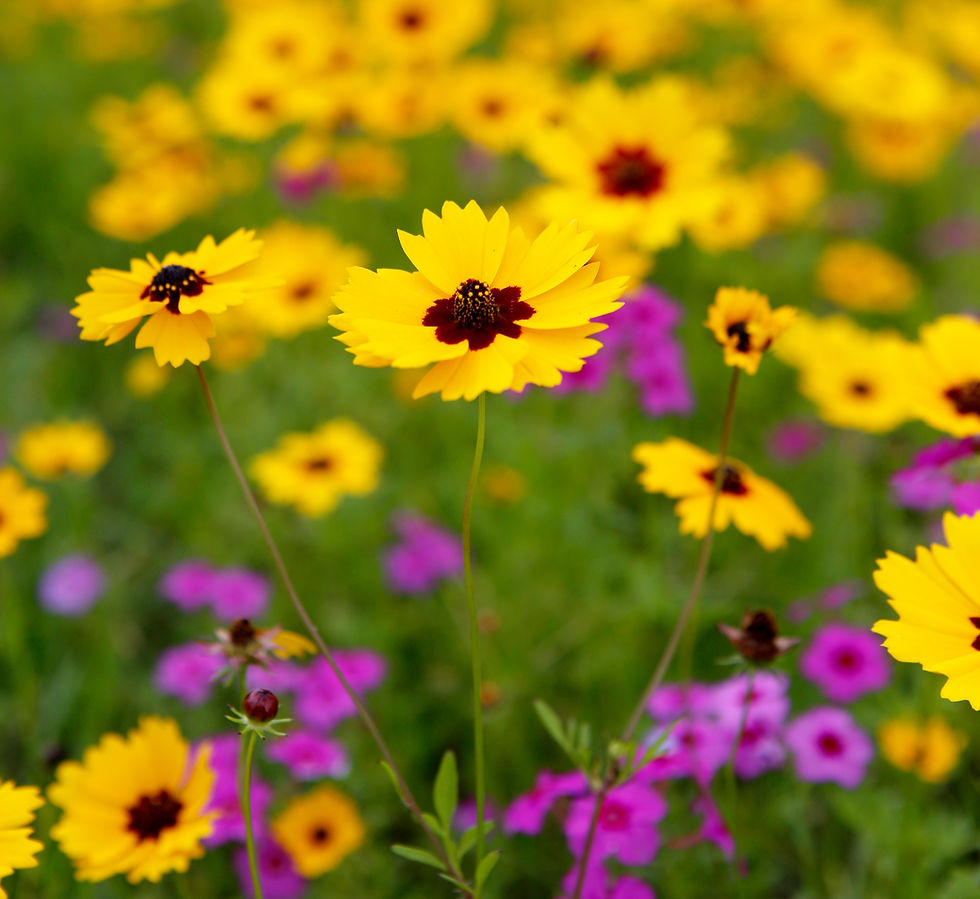
• Florida’s state wildflower, tickseed (Coreopsis species), produces cheerful yellow blooms and is attractive to butterflies and native bees. It self-seeds around the landscape and likes full sun and sandy soils.
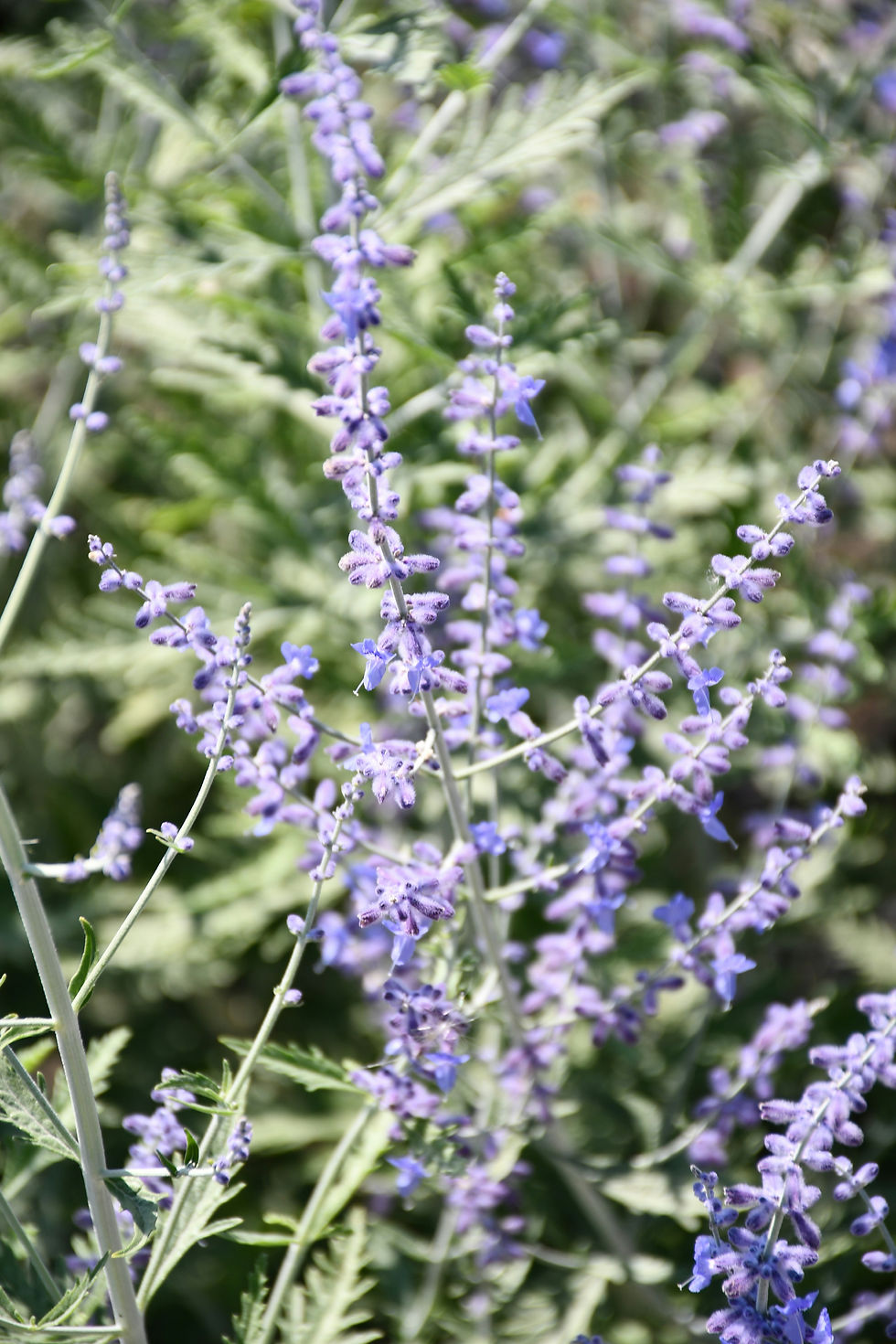
• Tropical sage (Salvia coccinea, pictured above) provides red flowers that attract hummingbirds and butterflies. As soon as the weather warms, it will bloom constantly until the weather turns cold.
• Blanketflower (Gaillardia pulchella) offers long-lasting blooms and excellent drought tolerance. It has red, orange, and yellow flowers and its foliage is blue gray. Plant it where you need a tough plant!
• Beach sunflower (Helianthus debilis) can cover a sandy, sunny spot in the landscape in a matter of weeks. Its sunny yellow flowers are prolific and it likes very dry soils.
• Blue porterweed (Stachytarpheta jamaicensis), not to be confused with its much larger lookalike (S. cayennensis and S. urticifolia), is a very versatile wildflower and grows like a groundcover. It works well along a pathway, driveway, or to edge a landscape bed.
• Starry rosinweed (Silphium asteriscus) is another yellow flower, but it has a yellow center. It grows much taller than Coreopsis or beach sunflower.
Preparation is one of the most important steps for establishing a successful wildflower planting. Start by controlling existing weeds before planting. Wildflowers often struggle to compete with established weeds during the first year. Good site preparation improves seed-to-soil contact and helps young plants become established more quickly. Mulch can also help suppress weeds while conserving soil moisture, but many wildflowers like dry, sandy soils, so you may want to mulch less in wildflower beds than in other landscape beds. In the summer, we suggest that you start native wildflowers from containerized plants. Wildflowers can be direct-seeded in the fall.
As your wildflower garden matures, you may notice an increase in butterflies, native bees, birds, and other beneficial wildlife. These visitors are signs that your landscape is becoming part of a larger network that supports Florida’s natural ecosystem. Even a small planting can provide meaningful habitat while adding seasonal color and interest to your yard.
Adding native wildflowers is a simple step that can make a big impact. By choosing species adapted to Central Florida conditions, homeowners can create attractive landscapes that are beautiful, low-maintenance, and beneficial to pollinators and wildlife.
If you have any questions about growing native wildflowers in your Central Florida yard, contact UF/IFAS Extension Polk County at 863-519-1041 or visit us online at sfyl.ifas.ufl.edu/ polk. The Plant Clinic is open Monday through Friday, 9 a.m. to 4 p.m. to answer your gardening and landscaping questions.
To learn more about gardening and landscaping in Central Florida, listen to the “Your Central Florida Yard” podcast. You can find out more on our Substack: substack.com/@ yourcentralfloridayard.
An Equal Opportunity Institution.
Anne Yasalonis is the Residential Horticulture Extension Agent and Master Gardener Volunteer Program Coordinator for UF/ IFAS Extension Polk County. Please contact her at anneanne@ ufl.edu